
3D Printing art clay bronze with foodprinter Foodini
15-04-2026
Curious about the possibility of 3D printing with Art Clay, I started a research project to explore the possibilities with 3D printing with fluid substances.
The question is simple:
is it possible to print with a material like silver clay and what kind of forms could emerge from that process?
Experimenting with foodprinters
There are 3D printers developed for chocolate, purées and batters. Materials that behave in a similar way to clay. TETEM has multiple food 3D printers ie MyCusini and Foodini, and through their Fablab I started experimenting. I used bronze clay to start because it’s less expensive.
First try
I started by testing, by hand, whether the clay straight from the package could pass through different nozzle sizes.
0.8 mm was too small
1.5 mm worked, but required a lot of pressure
4 mm worked easily
Without diluting the clay, even the largest nozzle eventually clogged and triggered the error: “Unable to print with this ingredient. May be too hard or the nozzle may be clogged.”
From that point on, we began diluting the clay step by step to observe what would happen.
Testing with different clay consistencies
I experimented with different settings and levels of plasticity by gradually adding moisture. The first goal was simply to reach a printable consistency. Once the clay seemed workable, I started adjusting the printer settings.
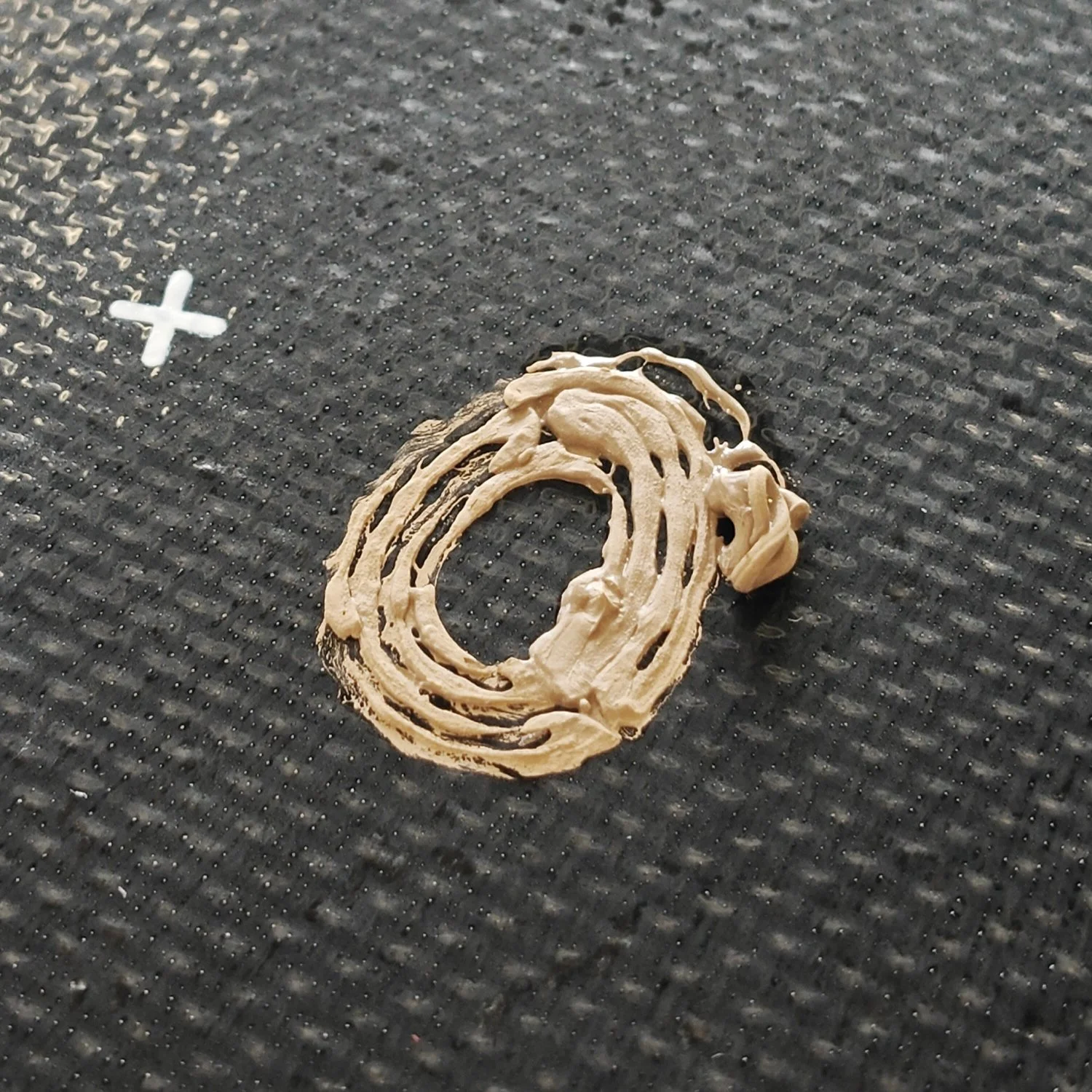
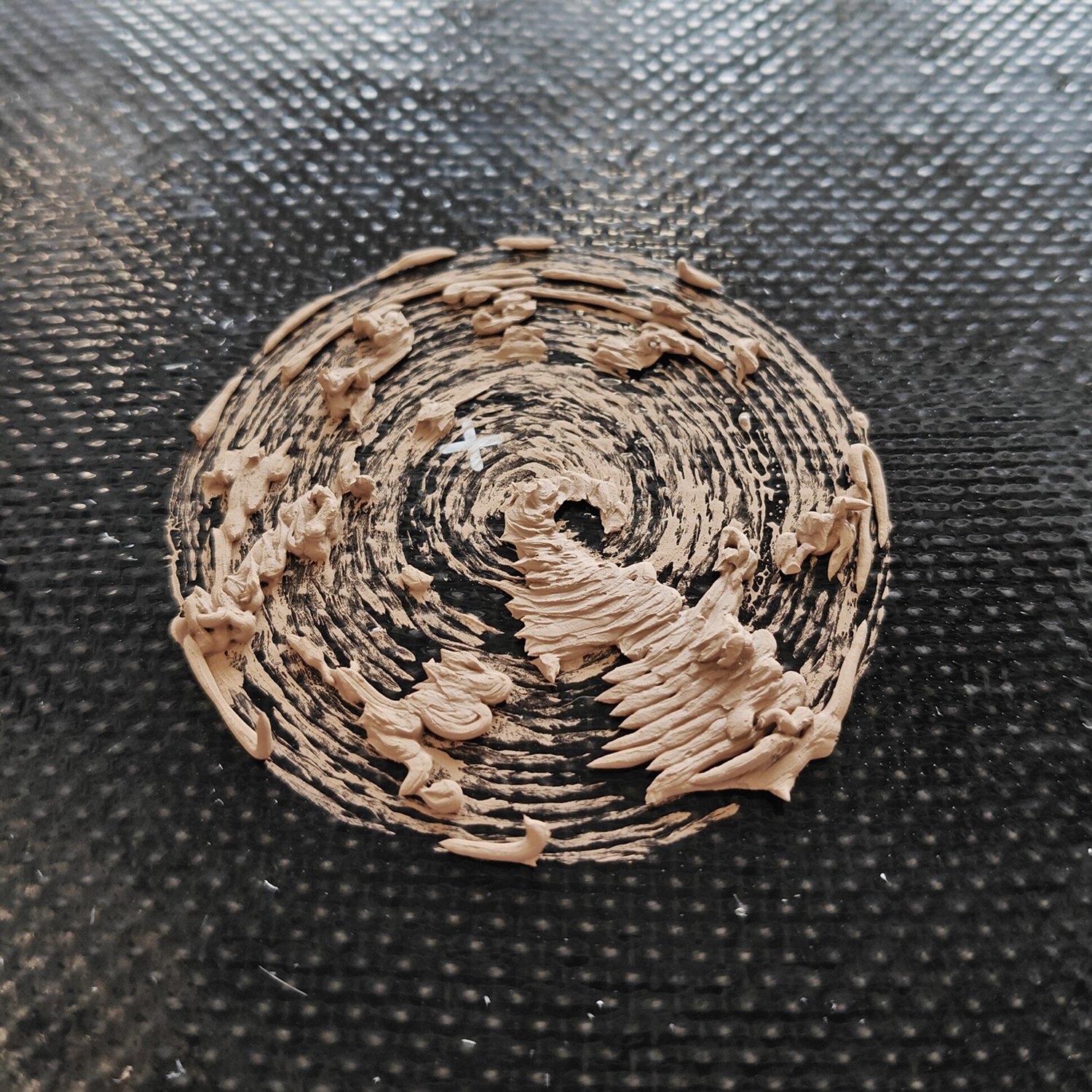
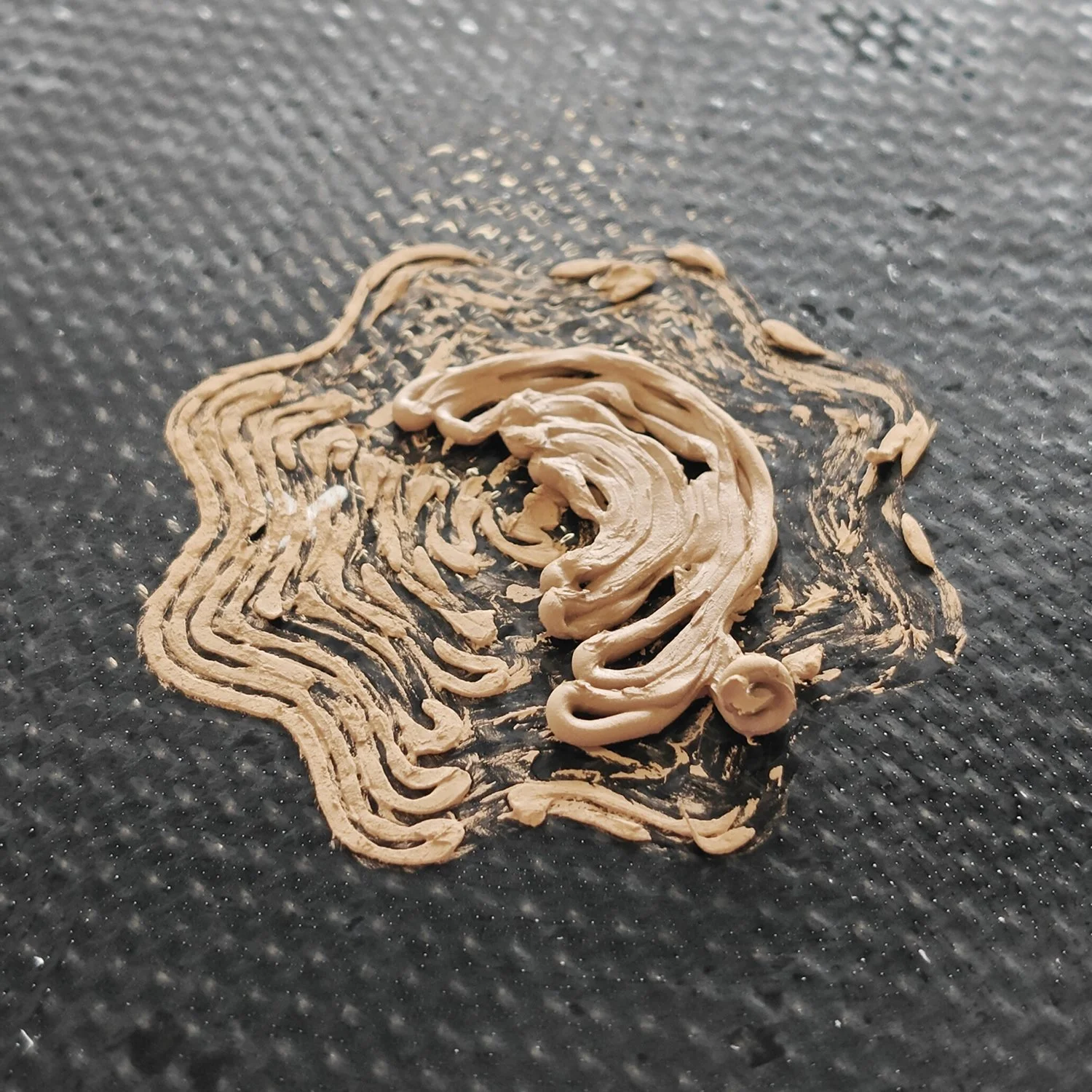
At that stage, it became clear that the material flow was inconsistent and pressure was uneven. I adjusted the print speed and flow rate, but several issues appeared:
The lines of the first layer did not adhere well to each other, leaving gaps
Parts of the first layer were skipped entirely
After about half of the first layer, almost no material came out of the nozzle
What’s next
Preparing more clay upfront and test again with foodini.
Make a test 3d modal to test possibilities.
Learn about how 3d printing with ceramics work to learn from.
